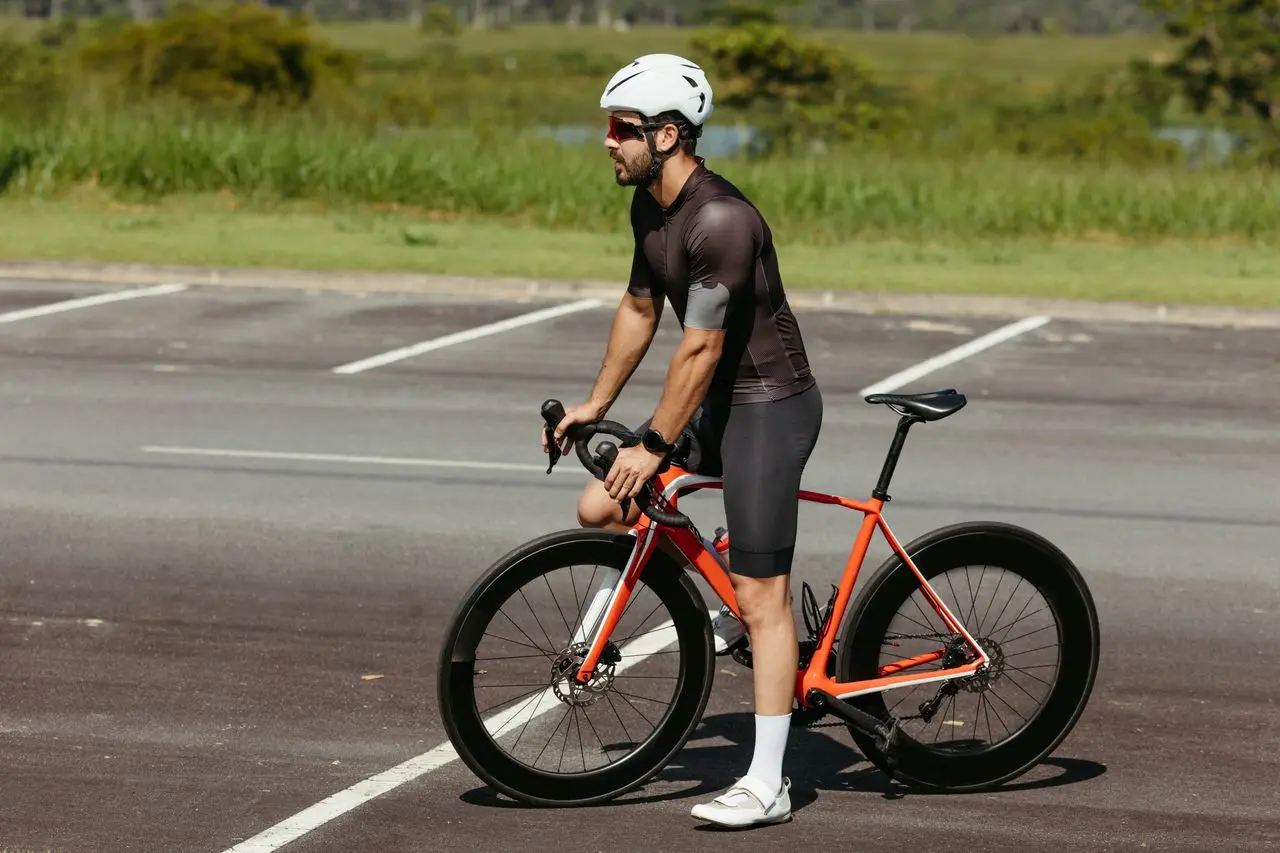
A "brick" is a back-to-back workout of two disciplines with no real break between them — most commonly bike followed straight by a run. If you've ever stepped off a bike and felt like your legs belonged to someone else, you already know why triathletes practice it on purpose.
What a Brick Workout Actually Is
The name comes from the way the legs feel after the bike: heavy, stiff, like bricks. The point of the session isn't to be hard — it's to teach your body what the switch between disciplines feels like, so race day doesn't deliver that feeling for the first time.
Why Your Legs Feel Strange Off the Bike
Cycling and running use overlapping muscles in different ways, with a different cadence and a different impact load. When you move from one to the other without a break, your legs have to adapt to the new pattern while already fatigued. The sensation usually fades within the first few minutes of running — and the more often you practice the transition, the shorter that adjustment period tends to get.
Three Simple Brick Sessions to Start With
- Short and easy: 30 minutes on the bike at a comfortable pace, then 10 minutes of easy running. Focus only on how the legs feel in the first few minutes of the run.
- Race-pace opener: 45 minutes on the bike with the last 10 at your planned race effort, then a 15-minute run starting controlled and settling into pace.
- Double transition: short swim, change, then a bike ride of 30–40 minutes. Practices the swim-to-bike switch instead of the more common bike-to-run.
Start with one brick a week at most, and keep the first ones easy. They are tiring in a different way from single-sport sessions.
The Swim-to-Bike Transition Nobody Practices
Most brick advice stops at bike-to-run, but the swim-to-bike switch has its own quirks: heart rate often drops quickly once you're horizontal-to-upright, and some people feel light-headed for the first minute. Practicing it a few times — even in a pool followed by a short indoor ride — makes race day noticeably calmer.
Logistics That Make Brick Days Easier
A lot of the friction on brick days is practical rather than physical: changing shoes, drinking at the right moments, keeping track of the gear you need for three sports in one bag. One small thing that simplifies the day is keeping your audio setup consistent across disciplines instead of swapping devices. Some triathletes use a single bone-conduction headset for the whole session — for example, the SONR Multisport is built to be worn in the pool and then on the bike and run — but any setup that stays secure through all three is worth the same consideration.
Pacing and Fueling in Brick Sessions
The most common mistake is starting the run too fast because the legs feel strange and the brain reads that as "I need to push." Start easy and let the first kilometer settle. For anything over about an hour, practice your race-day fueling in brick sessions too — it's the best place to find out what your stomach tolerates when you're already tired.